Gold has been used as a store of value for thousands of years. In ancient economies, including early trading systems that date back centuries, gold was primarily seen as physical wealth, something to own, store, and protect.
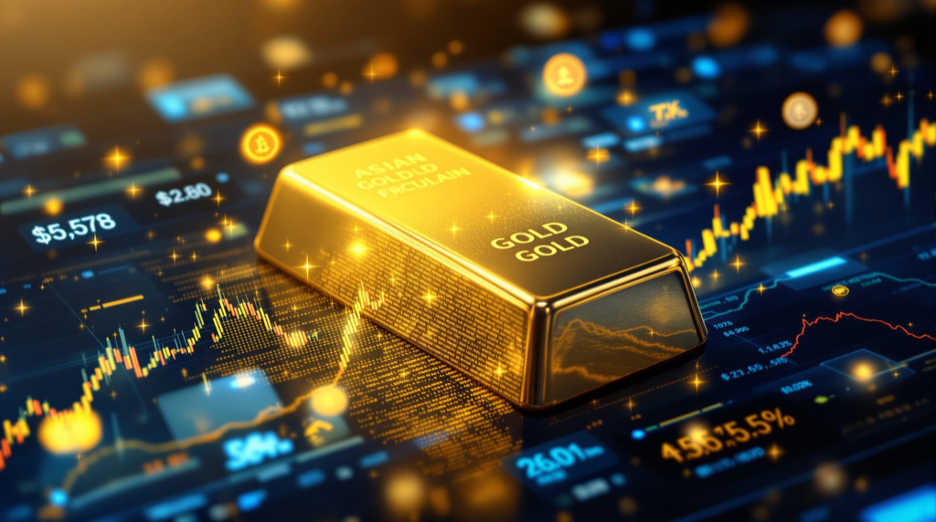
But gold investing today is very different. It has evolved from simple physical ownership into a more structured, data-driven, and globally connected financial system.
Traditional Gold Buying: Simple but Limited
In traditional systems, gold ownership was straightforward:
- Buy physical gold
- Store it safely
- Hold it for long-term value
This approach worked in a slow-moving world where markets were less connected and information flow was limited. However, it had major limitations:
- No visibility into real market conditions
- High dependency on physical storage
- Limited liquidity understanding
- No structured pricing insight
Investors focused only on ownership, not market behavior.
The Modern Gold Market: A Global System
Today, gold is part of a highly active global market. Prices are influenced by multiple forces working simultaneously, including:
- Institutional investors
- Central banks
- Global liquidity conditions
- Currency fluctuations
- Market demand cycles
Gold is no longer just a physical asset. It is a globally traded financial instrument influenced by complex systems.
From Ownership to Structure-Based Investing
The biggest shift in gold investing is not just digitalization it is structural understanding.
Modern investors now focus on:
- Liquidity conditions
- Market spreads and premiums
- Execution quality
- Entry and exit efficiency
- Institutional demand behavior
Instead of only asking “how much gold do I own,” investors now ask “how efficiently am I positioned in the market.”
Why Traditional Thinking Is No Longer Enough
Traditional gold buying focused on holding value over time. But modern markets are more dynamic.
Challenges of traditional thinking include:
- Ignoring hidden transaction costs
- No awareness of liquidity conditions
- Limited understanding of resale efficiency
- Over-reliance on price alone
This creates a gap between perceived value and real investment performance.
The Role of Data in Modern Gold Investing
Data has become a key driver in modern investing decisions. Investors now analyze:
- Price trends across timeframes
- Liquidity fluctuations
- Institutional buying patterns
- Market depth and spreads
This helps transform gold from a passive asset into an actively understood market position.
Institutional Influence on Modern Gold Markets
Central banks and institutional investors play a major role in shaping gold demand today. Their actions often influence long-term price direction before retail investors react.
They focus on:
- Macroeconomic stability
- Inflation hedging strategies
- Currency diversification
- Long-term reserve planning
This level of participation has changed how gold markets behave globally.
The UAE as a Modern Gold Hub
The UAE represents one of the most advanced gold trading environments in the world. It combines:
- High liquidity markets
- Strong global connectivity
- Active retail and institutional participation
- Transparent trading infrastructure
This makes it a key example of how gold investing has evolved beyond traditional buying.
The Future: Structured Gold Investing
The future of gold investing is structured, not emotional. It is defined by:
- Clear market understanding
- Data-driven decision-making
- Execution-focused strategies
- Reduced reliance on speculation
Investors are moving away from simple ownership and toward intelligent market positioning.
Final Insight
Gold investing has evolved far beyond traditional buying systems. What was once a simple physical asset has become a complex, structured, and globally influenced market.
Understanding this evolution is essential for modern investors who want clarity, efficiency, and better long-term decisions in gold markets.