
When people think about wealth, they often picture luxury homes, high-end cars, or successful businesses. But the reality is often different. Many wealthy families focus less on displaying wealth and more on preserving it. They understand that building wealth is only one part of the journey. Protecting it across generations requires thoughtful planning, diversification, and disciplined decision-making.
Some of the assets they value most are rarely discussed publicly—not because they are secret, but because long-term wealth is often built quietly.
Wealth Is Built for the Long Term
Successful investors understand that markets move in cycles.
Rather than concentrating all their wealth in one asset class, they typically build diversified portfolios designed to perform across different economic environments.
This often includes a combination of:
- Businesses
- Real estate
- Equities
- Fixed-income investments
- Cash reserves
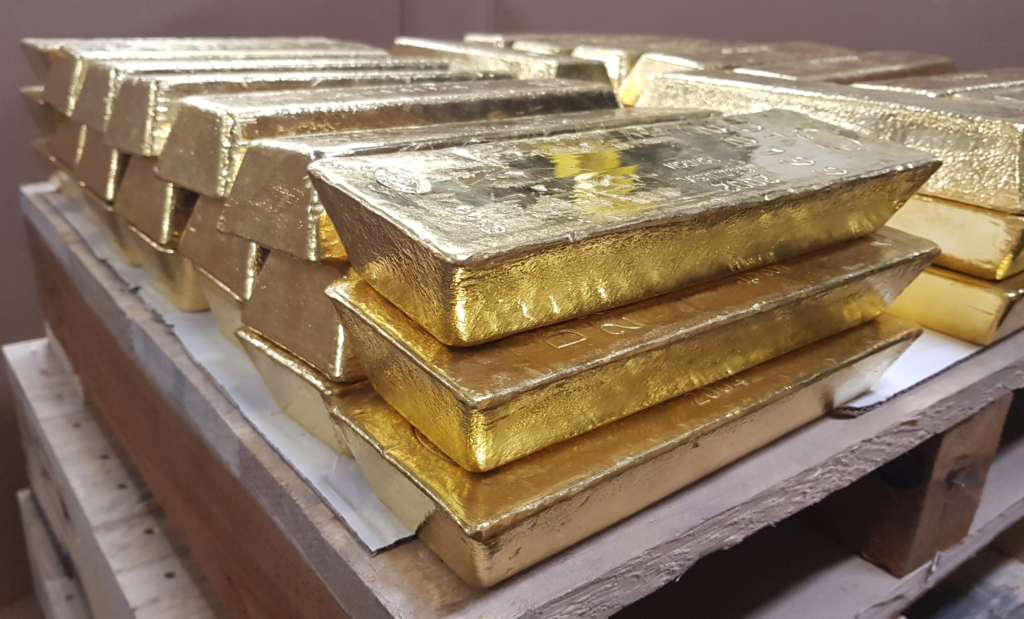
- Precious metals, including gold
Each asset serves a different purpose within an overall wealth strategy.
Privacy Is Often Part of the Strategy
Many affluent families avoid discussing their investment decisions publicly.
Their focus is usually on long-term outcomes rather than short-term attention.
Investment choices are guided by financial objectives, family goals, and risk management—not by public opinion.
This quiet approach is one reason their portfolios are often misunderstood.
Gold Has a Distinct Role
Gold is not always the largest holding in a portfolio, but it often serves a unique purpose.
Unlike assets primarily intended to generate growth, gold is frequently valued for its ability to diversify portfolios and help preserve purchasing power over long periods.
Its role is less about chasing returns and more about strengthening overall portfolio resilience.
Diversification Matters More Than Prediction
No investor can predict every market movement.
Instead of relying on perfect forecasts, experienced investors often diversify across assets with different characteristics.
Diversification helps reduce dependence on any single investment and creates a more balanced approach to managing uncertainty.
Gold has long been one of the assets considered within this broader strategy.
Wealth Preservation Is Different From Wealth Creation
Creating wealth often involves taking calculated risks.
Preserving wealth requires a different mindset.
Families focused on long-term financial security typically ask questions such as:
- How resilient is the portfolio?
- Is risk spread across multiple assets?
- Can purchasing power be maintained over time?
- Does the portfolio support future generations?
These questions shape investment decisions far more than short-term market trends.
The Importance of Thinking Across Generations
Many investment decisions are made with the next generation in mind.
Rather than focusing only on today’s opportunities, long-term investors often prioritize assets that can contribute to financial stability over decades.
This perspective encourages patience, discipline, and strategic diversification.
The Belora Perspective
At Belora, we believe gold should be viewed as part of a thoughtful long-term investment strategy rather than as a standalone solution.
Modern wealth management is built on diversification, informed decision-making, and understanding how different assets work together.
Gold has earned its place in many portfolios because of the role it can play within that broader framework.
Final Insight
The assets wealthy families rarely talk about publicly are often the ones chosen for stability rather than attention.
Long-term wealth is rarely built through a single investment. It is created through careful planning, disciplined diversification, and a commitment to preserving value across generations.
Gold continues to be part of that conversation because its role extends beyond price. It represents resilience, balance, and a long-term perspective on wealth.
At Belora, we believe understanding the purpose behind an asset is just as important as understanding its value.